
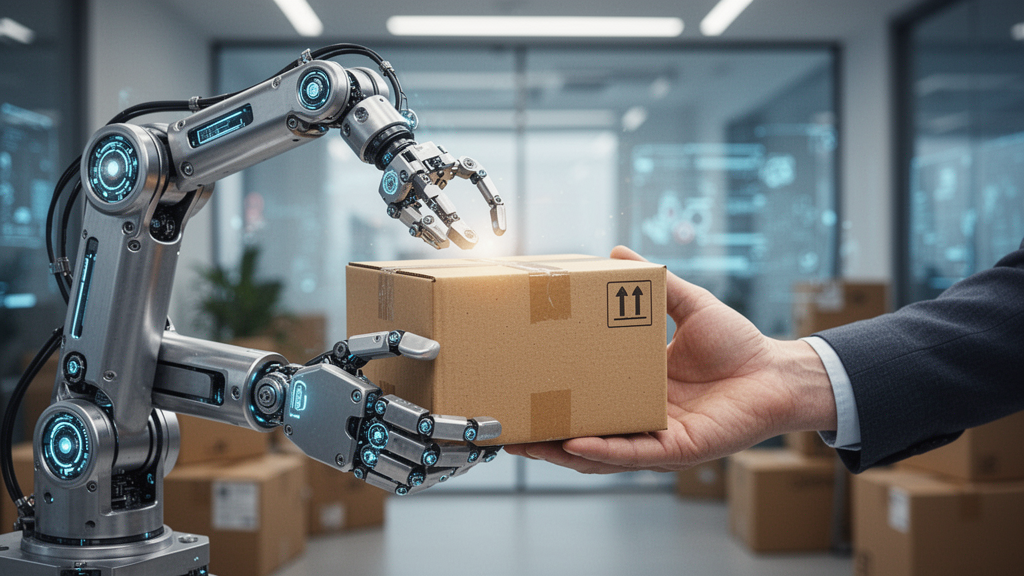
How AI Is Changing Service Delivery
The AI hype machine wants you to believe that every service job will be replaced by a chatbot. That human service delivery is a relic of the past. That the future is fully automated.
This is wrong. But not completely wrong.
AI is genuinely changing how service businesses operate. Just not in the way the headlines suggest.
The biggest impact of AI on service delivery is not replacement. It is augmentation. AI makes human operators faster, more accurate, and more capable.
In our portfolio, we use AI in several practical ways.
Quality checking. AI can review a bookkeeper is work and flag potential errors before a human reviewer sees it. This makes the QA process faster and catches things that human eyes might miss.
Communication drafting. AI can draft routine client communications based on templates and context. The human operator reviews and sends. This cuts the time spent on routine emails by more than half.
Data extraction. AI can pull relevant information from documents, emails, and forms and organize it for human processing. What used to take an hour of manual data entry now takes minutes.
Triage and routing. In customer support, AI can classify incoming requests, assess urgency, and route them to the right human operator. This reduces response times and ensures the right person handles each issue.
What AI cannot do, at least not yet, is replace the human judgment that complex service delivery requires. It cannot negotiate with a difficult client. It cannot make a judgment call about an ambiguous situation. It cannot build the relationship that keeps clients loyal.
The service businesses that will thrive in the AI era are the ones that use AI to handle the routine work while their human teams focus on the high value work that requires judgment, creativity, and empathy.
AI is a tool. Like any tool, its value depends on who is using it and how. Smart service companies are using it to become more efficient. They are not being replaced by it.